On this page
- 1. You have symptoms you have not had investigated
- 2. You are hoping to replace medication
- 3. You have not addressed the basics
- 4. You take medication and have not checked interactions
- 5. You are caffeine-sensitive and have not read the label
- 6. You cannot comfortably afford a full course
- What to do instead, in every case
1. You have symptoms you have not had investigated
Persistent thirst, frequent urination, unexplained weight loss, blurred vision, slow-healing cuts or recurrent infections warrant a blood test, not a supplement.
Diabetes and prediabetes are diagnosed with a simple test and managed far better when caught early. The CDC diabetes resources explain what screening involves. Spending three months on drops instead of booking that appointment is the costliest decision on this page.
2. You are hoping to replace medication
If that is your goal, stop. No supplement in this category replaces insulin, metformin or any prescribed treatment, and attempting it is genuinely dangerous. Discuss any medication change with your prescriber, who can adjust doses safely if your circumstances change.
3. You have not addressed the basics
Carbohydrate quality, portion size, body weight, physical activity and sleep move blood sugar far more than any supplement. If none of those has been addressed, a supplement is a small lever pulled first.
4. You take medication and have not checked interactions
Particularly glucose-lowering, blood pressure and thyroid medication. Check with your pharmacist before ordering, not after it arrives.
5. You are caffeine-sensitive and have not read the label
Many products in this category contain guarana, green tea extract or green coffee bean. If caffeine is a problem for you, the label matters more than the marketing.
6. You cannot comfortably afford a full course
A partial course produces no usable information. If the budget stretches only to a two-week supply of something studied over twelve weeks, the money buys nothing you can learn from.
What to do instead, in every case
Get tested. Speak to your doctor. Improve carbohydrate quality. Walk after meals. Sleep seven to eight hours. Every one of those outperforms every supplement in this category, costs less, and works whether or not you ever buy anything from a site like this one.
Glucovive — official website pricing
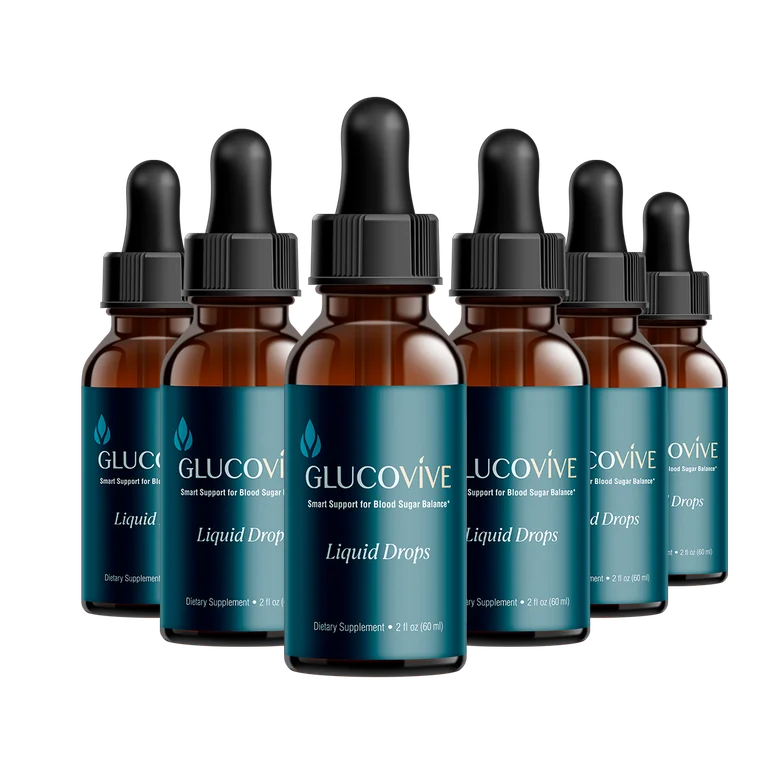
Liquid blood sugar support drops with Chromium, Gymnema and African Mango. The Glucovive discount runs from $49 per bottle with a 60-day money-back guarantee.
See the Glucovive discount