On this page
- What happens after you eat
- Why walking blunts it
- How long is enough
- Fitting it into a real day
- Where a supplement sits next to this
What happens after you eat
A meal containing carbohydrate produces a rise in blood glucose that peaks somewhere between thirty and ninety minutes later, depending on the meal's composition. The size and steepness of that rise is what people mean by a “spike”.
Why walking blunts it
Contracting muscle takes up glucose from the bloodstream through a mechanism that does not require insulin to do the work. Walking after a meal therefore gives circulating glucose somewhere to go, at exactly the moment there is more of it.
This is why timing matters more than intensity here. A slow walk twenty minutes after eating does more for the post-meal curve than a hard session three hours later.
How long is enough
Studies examining post-meal walking have found meaningful effects from short bouts — in the region of ten to fifteen minutes. The gap between zero and ten minutes is larger than the gap between fifteen and thirty.
Fitting it into a real day
- Walk to get coffee after lunch rather than having it delivered
- Take a call on foot where the call does not need a screen
- Park further away, or get off a stop early
- Do the washing-up standing and then walk the block after dinner
Where a supplement sits next to this
Behind it. A daily supplement supports a baseline; a post-meal walk acts directly on the curve you are trying to influence. The American Heart Association activity guidance puts numbers on the broader benefit.
Any site that reverses that order is selling rather than informing.
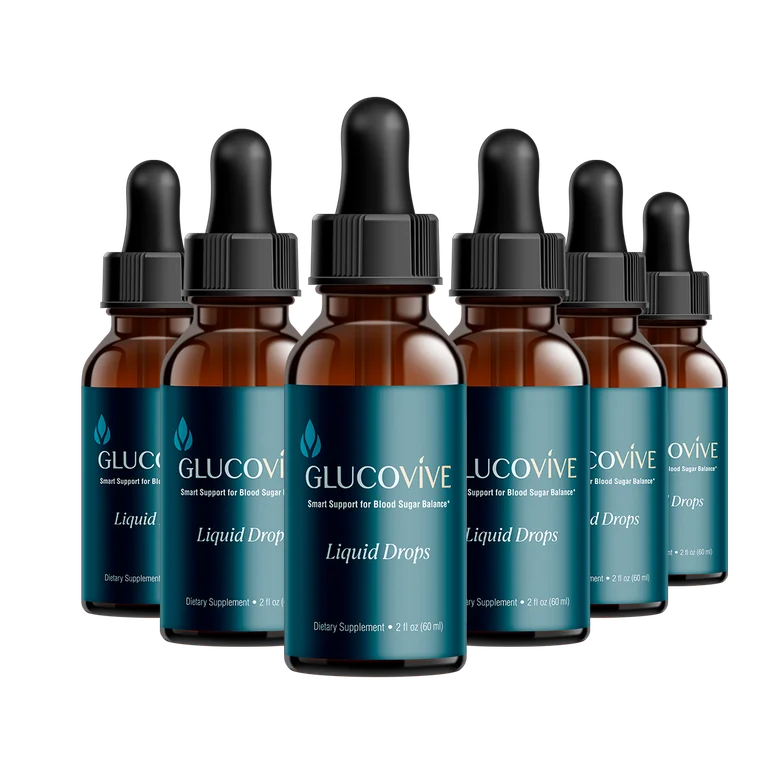
Glucovive — official website pricing
Liquid blood sugar support drops with Chromium, Gymnema and African Mango. The Glucovive discount runs from $49 per bottle with a 60-day money-back guarantee.
See the Glucovive discount