Below is every ingredient in the formula, what it is, and what it is genuinely studied for. One has an established nutritional role, four sit on mixed or early evidence, and three rest mainly on traditional use. This page says which is which.
Chromium
Established nutrient roleAn essential trace mineral with a documented role in normal macronutrient metabolism and in maintaining blood glucose levels already within the normal range. This is the most firmly established ingredient in the bottle. Dietary sources include broccoli, whole grains, meat and brewer's yeast; severe deficiency is rare on a varied diet, which is worth knowing because supplementation shows its clearest effects where intake was inadequate. The NIH ODS fact sheet is the neutral reference.
Gymnema Sylvestre
Traditional use, some researchA woody climbing shrub from India and Africa, used in Ayurvedic practice for centuries and named there in a way that translates roughly as “sugar destroyer”. Chewing the leaf temporarily suppresses the ability to taste sweetness — a genuinely unusual property, and the reason it has become the signature ingredient of the sweet-craving category. It has attracted real research interest; study sizes remain modest.
African Mango (Irvingia gabonensis)
Early researchA West African fruit whose seed extract is rich in soluble fibre. Small human trials have examined it around appetite, body weight and metabolic markers, with results that generated early enthusiasm and have not been settled by larger work since. Treat it as promising and unproven rather than established.
Eleuthero (Siberian ginseng)
Adaptogen, mixed evidenceA classical adaptogen with a long record in traditional practice for fatigue and endurance, and a modern trial literature that varies considerably in quality. Despite the common name it is not botanically a true ginseng. The NCCIH Herbs at a Glance database is a good neutral place to check it.
Panax Ginseng
Widely studied, mixed resultsOne of the most studied botanicals in the world, examined for fatigue, cognitive measures and glucose-related markers across decades. The honest summary is that results are inconsistent rather than absent — a genuine research subject whose findings have not converged.
Maca Root
Traditional useA cruciferous root cultivated above 4,000 metres in the Peruvian Andes and eaten there for centuries to support energy and endurance under hard conditions. Modern interest centres on its macamides and glucosinolates; the research base is early-stage. It is here for the energy side of the blend, on traditional grounds.
Coleus Forskohlii
Preclinical, limited human dataA member of the mint family used in Ayurvedic practice, containing the compound forskolin. Most published work is laboratory or animal research rather than large human trials. Any claim that it is a proven fat burner goes well beyond what the data supports, and this page will not make one.
Guarana
Caffeine content well establishedAn Amazonian climbing plant whose seeds carry one of the highest natural caffeine concentrations of any botanical — typically several times that of a coffee bean by weight. It is included for alertness and perceived energy, and it is the only ingredient here with a fast, noticeable effect. It also means this is a caffeine-containing product, which anyone sensitive to stimulants needs to know before ordering.
Reading the label properly
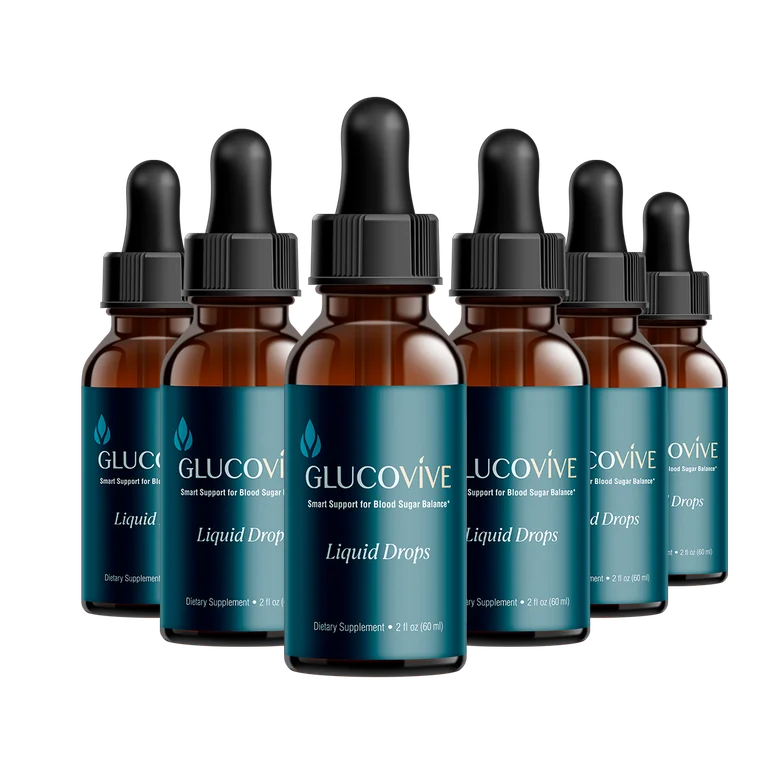
Each bottle holds 2 fl oz (60 ml). The daily serving is typically one to two full droppers. Two habits worth adopting when comparing any two supplement labels in this category:
- Check for a proprietary blend. A single total figure covering several ingredients hides how much of each you are actually getting. Named amounts are the baseline for a label worth trusting.
- Check the chromium form and amount. Chromium is the ingredient here with a real nutritional role, so it is the one worth locating precisely on the panel.
Always read the current bottle label before use. Manufacturers can revise a formula or a serving size between production runs, and the label in your hand always overrides any website — including this one.
What is not in it
- No prescription drug analogues — a genuine concern in this category, where the FDA repeatedly finds blood sugar products spiked with undeclared glyburide or metformin
- No forced-subscription trial packaging
Note what is not on that list: this product does contain caffeine, via guarana. Pages in this category that claim “no stimulants” for a guarana-containing formula are wrong, and it is a useful test of how carefully any given site was written.
Next: how these ingredients work together · what they support · ingredient guides on the blog.
Frequently asked questions
Backed by the 60-day money-back guarantee. Secure checkout on the Glucovive official website.